
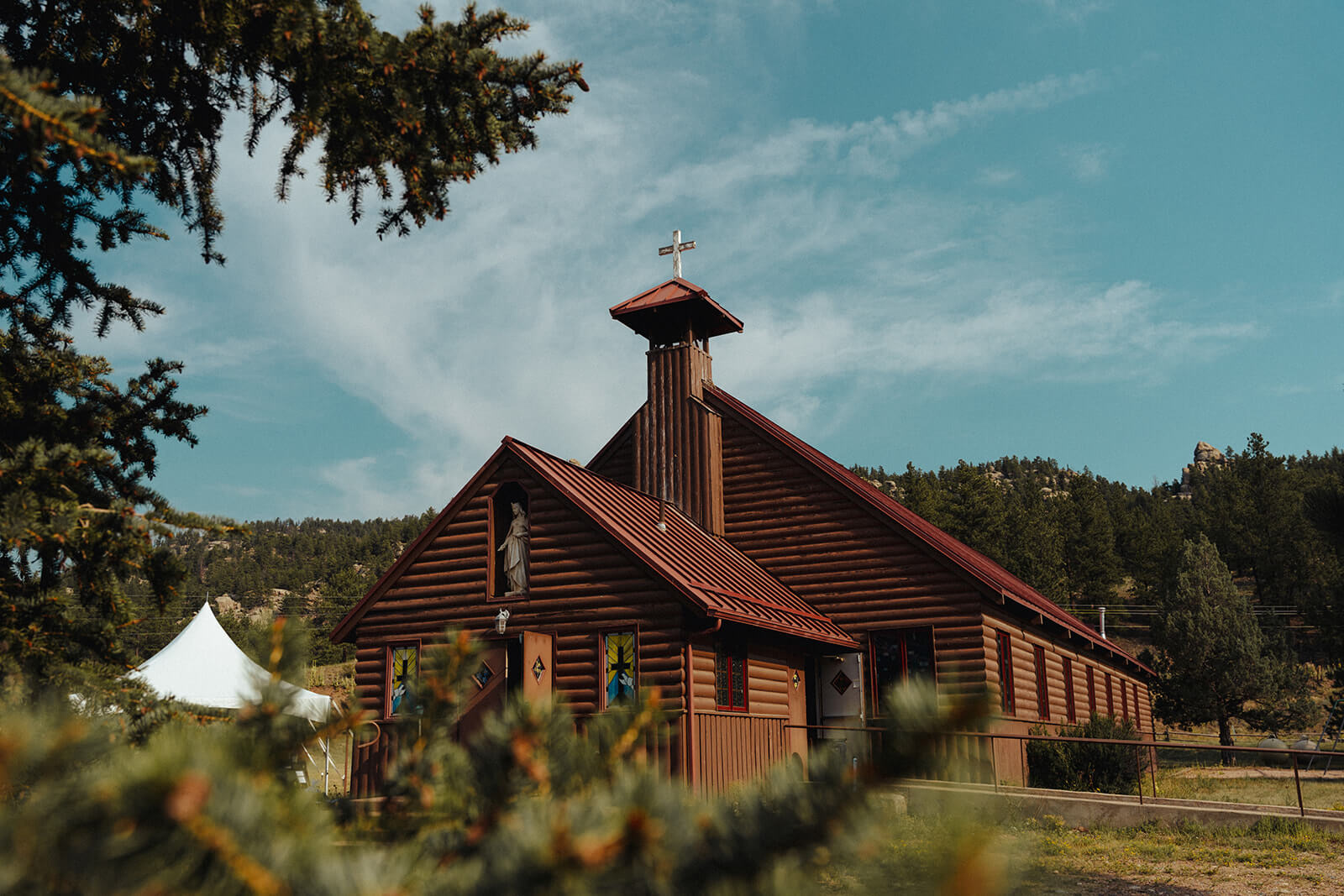

Everything You Need To Know About Venues
Tackling your Venue
Now that you have your budget set, it’s time to tackle a key part of wedding planning: selecting your venue.
Brandon and I found this to be the most time-consuming aspect. But it doesn’t have to be daunting; you can make it fun!
After you’ve budgeted, the venue is crucial because it shapes your guest list, catering, decor, and timeline—so choose wisely. It should be the first thing you book after finalizing your budget.


Types of Venues
There are three types: traditional, all-inclusive, and DIY, each offering unique options for your wedding day, but not all will be the perfect fit for you.

Keep it Classic
Generally, traditional wedding venues are standard for most weddings, featuring reception halls and sometimes ceremony sites. They usually provide table and chair rentals, linens, and basic decor.
However, you need to source your own caterer, DJ, florist, officiant, planner, and photographer. Some venues have restrictions on vendors, which can impact your choices.
Specific examples in Colorado include hotels and locations like the Denver Botanic Gardens and The Barn at Evergreen Memorial Park.
Pros:
- Often lower cost per guest
- No need to provide tables and chairs
- Flexibility in choosing vendors (if allowed)
Cons:
- Limited offerings
- Missing important wedding elements like AV and lighting
- Potential restrictions on vendor selection


All in one
All-inclusive wedding venues and traditional venues have similarities, but all-inclusive venues typically include vendor prices in the overall venue cost, offering a streamlined planning process.
Similarly to the traditional venue, all-inclusive venues have preferred vendors. But all-inclusive venues provide caterers, DJs/bands, florals, officiants, photographers, and more, sometimes even decor and bar services. This makes wedding planning simpler, as the venue handles most details and the price includes everything upfront.
Colorado has many options, such as Wedgewood Weddings, Pine Crest, Hearth House, and one of our favorites, Deer Creek Valley Ranch.
Pros:
- Everything is included
- Upfront pricing with one payment
- Customizable options
- Ability to bring in your own vendors (if permitted)
Cons:
- Limited choices for certain vendors
- Potentially high cost per guest
- Less control over vendor selection
- Restrictions on achieving your exact vision


Do It all Yourself
DIY venues are often remote, non-traditional spaces that provide a blank slate for your wedding. Requiring you to supply everything, including tables, chairs, decor, and staff.
While these venues can save you money and give you complete control over your wedding’s aesthetic, they also demand significant planning and effort from setup to teardown.
Some examples in Colorado include Mountain Wedding Garden and Camp Hale.
Pros:
- Complete control over vendors and decor
- Typically more affordable
- Flexibility to do what you want
Cons:
- Set up and teardown are your responsibility
- No included staff
- Possible catering restrictions
- More upfront work and planning needed
- Costs can add up with rentals and vendors

Choose Wisely
Now that you fully understand the three types of venues, it is time to choose which type fits your needs and budget. This part of wedding planning may be daunting, but it is also very fun. Take the time to visit the venues you find together and bond over the what-ifs while touring. Each venue will hold a unique piece of your wedding potential; it’s just a matter of finding the one to make your wedding dreams come true!

Create Your Wedding Budget
Wedding planning can feel overwhelming with tasks like finding a venue, creating a guest list, coord…
Read More
What to Wear for your Photo/ Video session
Finding the right thing to wear for your family or engagement session can be difficult, especially w…
Read More
Vintage-Style Wedding Films and Photography
Vintage-style wedding films are making a comeback, inspired by the popularity of thrifting and retro…
Read More
Leave a Reply